Comparisons
Best HabitKit Alternative (2026) — Apps Like HabitKit

Product and habit systems research
Looking for a HabitKit alternative? Compare the best apps like HabitKit's visual habit grid — including adaptive trackers that add recovery and journaling.
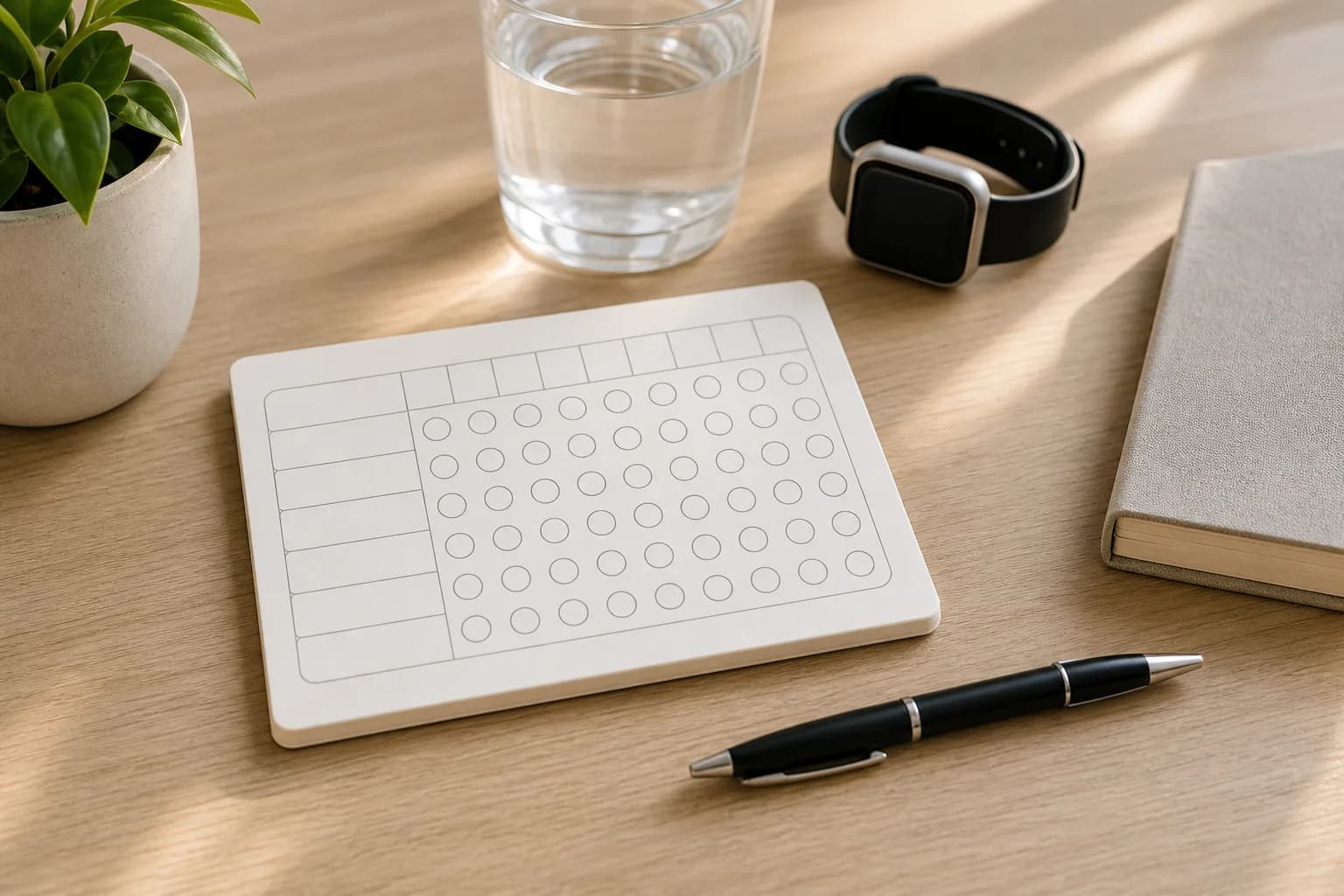
The best HabitKit alternative depends on whether the visual grid is what you want or whether you need more underneath it — like adaptive targets, journaling, and recovery after missed days. Below are the top apps like HabitKit, with who each is for. Check current features and pricing before switching.
What is HabitKit?
HabitKit is a visually-driven habit tracker that displays your progress as a colourful, GitHub-style grid of tiles — each completed day fills a square, so consistency becomes a satisfying picture. It's cross-platform and known for its clean, motivating design. The visual is the star; the underlying logic is intentionally simple.
Why look for a HabitKit alternative?
- You want more than visuals — adaptive targets, reminders, or journaling.
- You want help recovering after a miss, not just a gap in the grid.
- You want a free option or a different pricing model.
- You want habits tied to routines or goals, not standalone tiles.
Best HabitKit alternative with recovery built in: SelfSpark
SelfSpark keeps progress visual but adds the substance the grid lacks. It's an adaptive habit tracker that suggests a smaller version of a habit on low-energy days, keeps progress visible after a miss (so one gap doesn't feel like failure), and uses short journaling to explain why a habit slipped. Available on Android and web. Best for: people who love seeing progress but want a tracker that helps them bounce back. Take the habit fit quiz.
Other apps like HabitKit
- Streaks — clean streaks on iPhone. See Streaks alternatives.
- Loop Habit Tracker — free, open-source, with charts (Android). See Loop alternatives.
- Way of Life — colour-coded trend tracking. See Way of Life alternatives.
- Habitica — gamified, for reward-driven people. See Habitica alternatives.
How to pick
If the pixel-grid visual is the whole appeal, look for another visual tracker; if you want depth — recovery, journaling, goals — choose an adaptive app. The key question remains what happens when you miss a day. See best habit tracker apps.
FAQ
What is the best alternative to HabitKit?
For a visual tracker with recovery and journaling underneath, SelfSpark; for free and open-source charts on Android, Loop; for iPhone streaks, Streaks. Choose based on how much depth you want beyond the grid.
Is there a HabitKit alternative with more features?
Yes. SelfSpark adds adaptive targets, recovery after missed days, and journaling, while keeping progress visual — useful if HabitKit felt too minimal.
Is there a free HabitKit alternative?
Loop Habit Tracker is free and open-source on Android, and apps like SelfSpark offer free tiers.
What habit tracker is best if I love the visual grid but keep quitting?
An adaptive tracker like SelfSpark, which keeps the satisfying visual progress but lets you do a smaller version after a miss so a single gap doesn't end your momentum.
Bottom line
The best HabitKit alternative keeps progress visual while adding the depth to recover after a miss. If a gap in the grid tends to derail you, try SelfSpark.
How to turn this guide into a habit plan
Read the article once for the idea, then choose one action small enough to do on a busy day. SelfSpark works best when a habit has a full version, a reduced version, and a recovery version. The full version is what you do on a normal day. The reduced version is the smallest useful action when energy is low. The recovery version is what gets you moving again after a missed day without treating the miss as failure.
If this article compares tools, use it to decide what support you need before you pick an app. If it explains a template or habit method, write down the exact trigger, the minimum action, and how you will restart after an interruption. A good habit system should make the next step obvious when you are tired, distracted, traveling, or already behind.
SelfSpark is designed around that kind of recovery-friendly tracking. The quiz helps you choose a first plan, the tracker keeps progress visible, and short journal notes help you learn why a habit slipped so the next plan can adapt instead of becoming another rigid streak.
For the next seven days, treat the habit as an experiment. Keep the target small, write down what made it easier or harder, and adjust the plan based on what actually happened. That feedback loop is usually more useful than a perfect schedule you only follow once.